5 Jun 2026
Data Analytics Powering Personalized Promotions Across UK App-Based Casinos
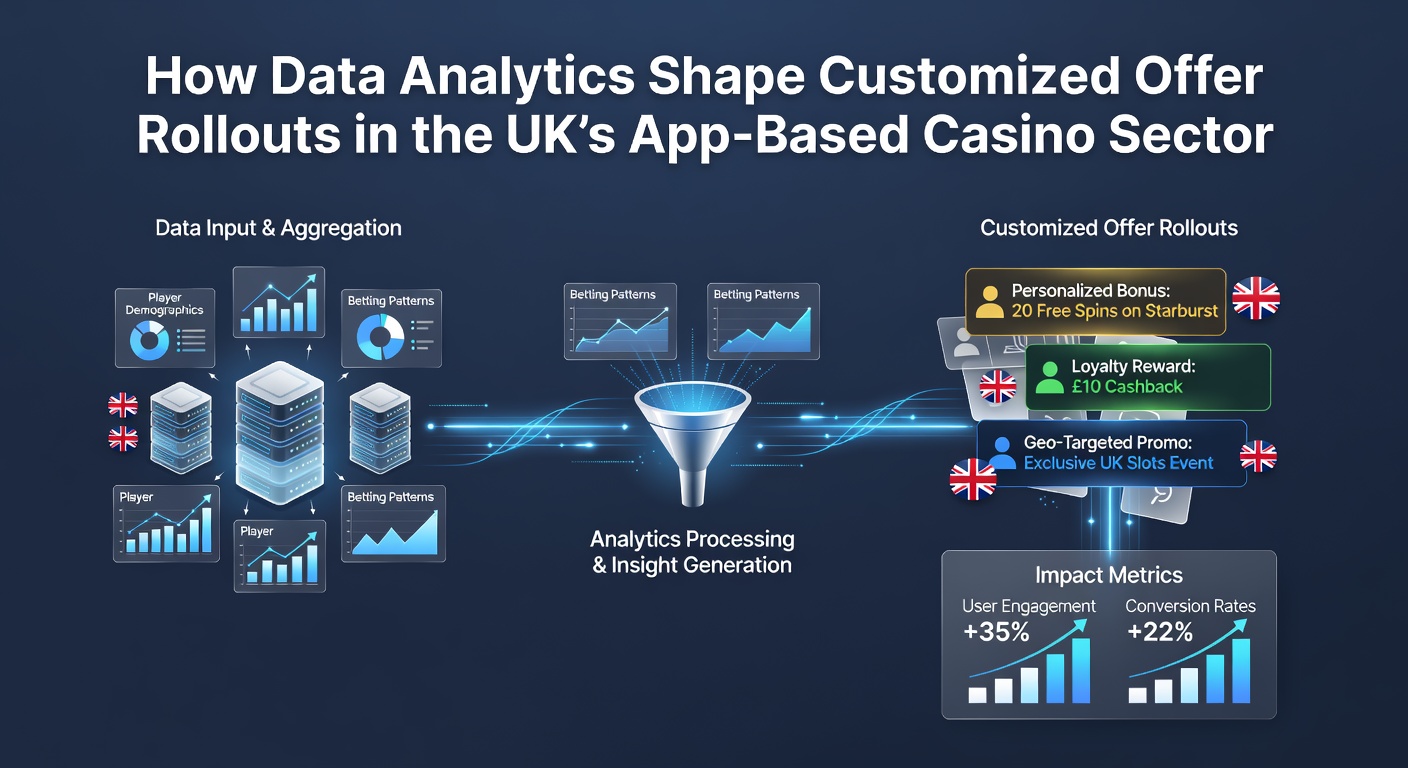
Operators in the UK's app-based casino sector rely on data analytics to design and deploy offers that match individual player patterns, and this approach has gained momentum through 2026 as platforms collect increasing volumes of behavioral information. Companies track metrics such as session length, game preferences, deposit frequency, and response rates to previous promotions, then feed those details into algorithms that generate targeted bonuses and free spin packages.
Core Mechanisms Behind Offer Customization
Analytics teams segment users into groups based on activity levels and spending habits, after which machine learning models predict which incentives are most likely to encourage continued engagement. For instance, high-frequency players often receive reload bonuses timed to their typical deposit windows, while newer users see welcome packages adjusted according to their first-week interaction data. These systems operate in real time, pulling fresh inputs from in-app events so that offers can shift within hours rather than days.
Studies from the University of Nevada's gaming analytics division show that operators using multi-variable segmentation achieve higher retention rates than those relying on broad demographic categories alone. The models incorporate location signals, device type, and even time-of-day patterns to refine timing, which allows a bonus to land when a user is statistically most active.
Integration with App Infrastructure and June 2026 Developments
By June 2026 several major UK-facing platforms had upgraded their backend systems to combine on-device data collection with cloud-based processing, reducing latency between signal capture and offer delivery. This technical shift supports more granular personalization without increasing server load during peak evening hours. Observers note that these upgrades coincided with wider adoption of privacy-compliant data frameworks, which limit certain identifiers yet still permit behavioral clustering.
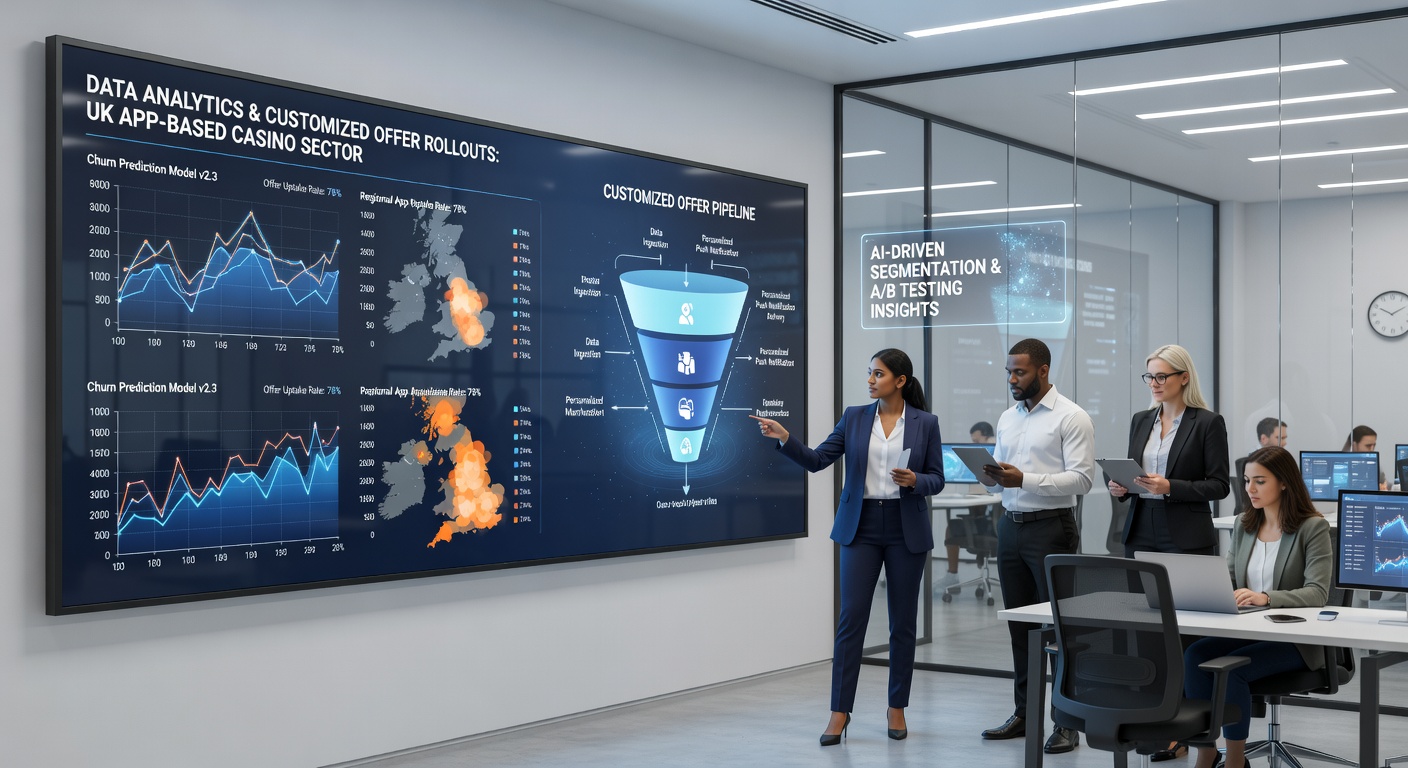
Cross-platform tracking further refines the process because many users move between tablets and smartphones throughout the day. Analytics platforms reconcile these sessions into unified profiles, enabling consistent offer experiences regardless of device. Industry reports from the American Gaming Association highlight similar technical patterns in other regulated markets, underscoring that real-time synchronization has become standard practice where app usage dominates.
Regulatory and Industry Context
Although the UK maintains strict advertising rules, data-driven offer systems operate within those boundaries by focusing on existing account holders rather than broad acquisition campaigns. Analytics outputs feed into controlled communication channels such as in-app notifications and email, which reduces exposure to unlicensed marketing channels. Trade groups like the European Gaming and Betting Association have documented how operators document consent flows and data retention periods to align with evolving compliance expectations.
One study released by the Australian Institute of Criminology examined comparable systems in other jurisdictions and found that precise targeting correlates with lower complaint volumes about irrelevant promotions. The research attributes this outcome to fewer mismatched offers reaching users whose behavior does not match the incentive structure.
Measuring Results and Adjusting Strategies
Performance tracking extends beyond simple redemption rates to include lifetime value projections and churn probability scores. When a cohort shows declining engagement, automated workflows trigger adjusted offers such as increased free spin quantities or lower wagering thresholds. These adjustments rely on A/B testing frameworks that isolate single variables while holding others constant, allowing analysts to isolate the impact of each change.
Operators also monitor secondary effects, including changes in game selection after an offer lands. Data streams reveal whether a bonus tied to a specific title increases play on that game or simply shifts activity from other titles without net growth. Such insights feed back into the model training cycle, tightening future predictions.
Conclusion
Data analytics now underpin nearly every stage of customized offer creation and rollout in the UK's app-based casino sector. From initial segmentation through real-time delivery and post-campaign evaluation, the process depends on continuous data flows and iterative model refinement. As platforms continue to integrate new data sources while respecting privacy standards, the precision of these personalized promotions is expected to increase further, shaping how operators interact with their user bases throughout 2026 and beyond.