22 Jul 2026
Mapping Reward Timing to User Engagement Surges Across Mobile Betting Platforms
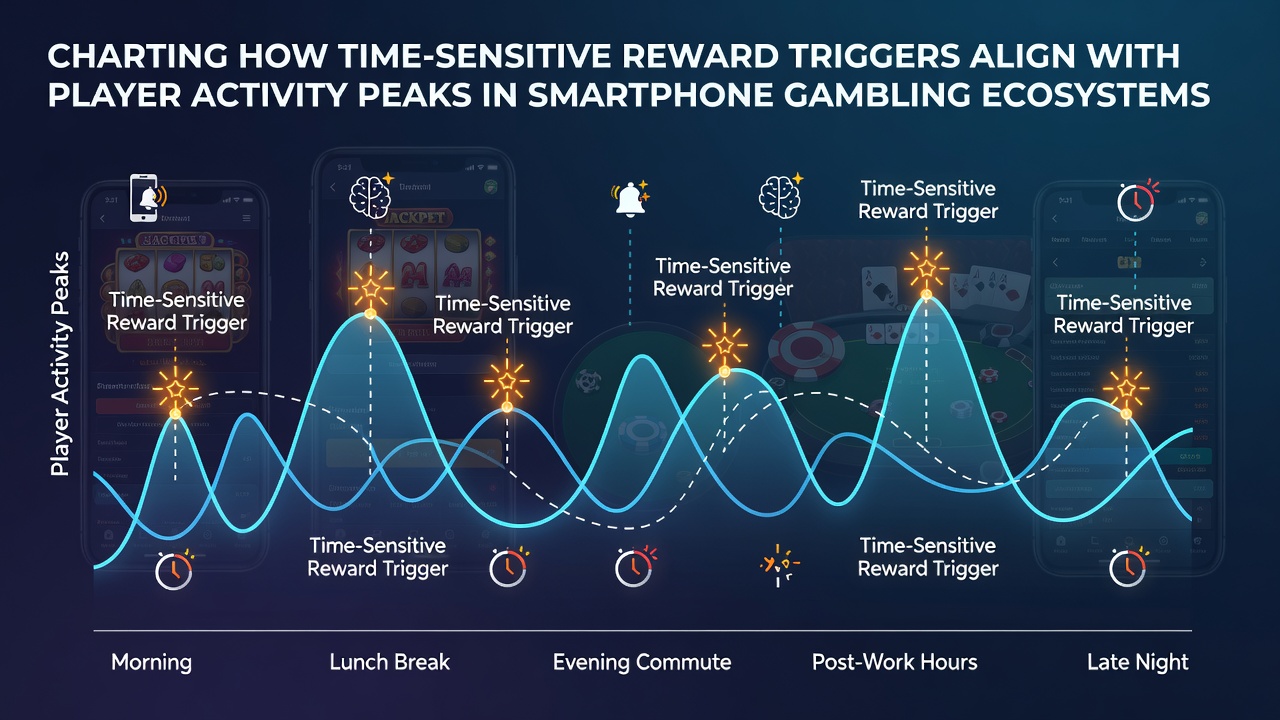
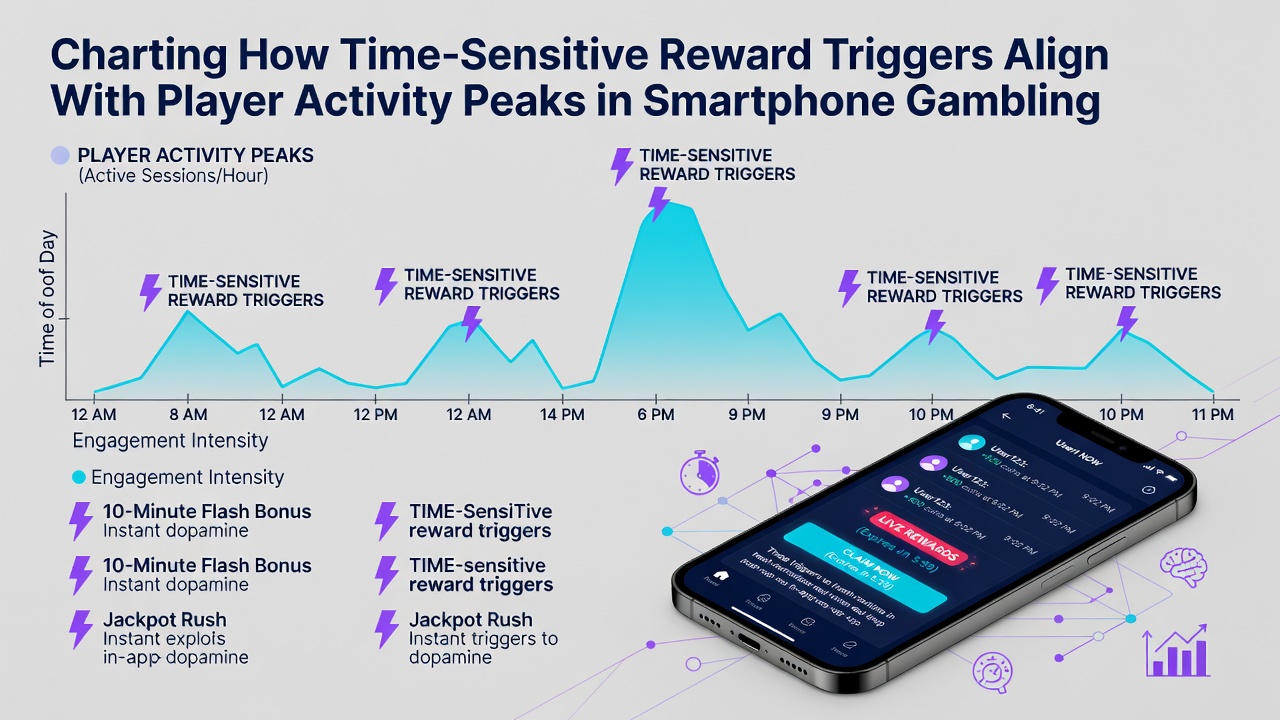
Smartphone gambling platforms rely on precise coordination between reward delivery systems and documented user activity patterns, with operators tracking engagement metrics to schedule bonuses, free spins, and deposit matches during identified high-traffic windows. Data from multiple device analytics providers shows activity spikes occur consistently between 7pm and 11pm local time on weekdays, while weekend peaks extend from midday through late evening, creating predictable intervals where time-sensitive triggers achieve higher interaction rates.
Activity Pattern Documentation in Mobile Ecosystems
Operators compile session length records, deposit frequency logs, and game launch timestamps to build heat maps of player behavior across regions. Research from the University of Nevada's gaming studies department indicates that North American users demonstrate elevated login rates immediately after standard work hours, whereas European cohorts show secondary surges during lunch breaks in urban time zones. These patterns hold steady across iOS and Android ecosystems, with push notification open rates climbing when rewards activate within 15 minutes of anticipated peak starts.
July 2026 updates to several major platform dashboards incorporated real-time location data to refine these schedules further, allowing rewards to trigger based on individual device time zones rather than centralized server clocks. Industry reports from the International Gaming Institute confirm that such adjustments correlate with measurable lifts in session initiation numbers during targeted windows.
Reward Trigger Mechanics and Synchronization Methods
Time-sensitive rewards function through backend algorithms that monitor live traffic and release offers at pre-calculated moments. These systems deploy variables including remaining bonus pools, player segmentation scores, and historical conversion data to determine exact release times. When a reward activates during a documented peak, conversion metrics such as deposit completion and game round counts increase compared to off-peak distribution, according to aggregated figures from platform telemetry services.
Push notifications, in-app banners, and email sequences carry the triggers, with delivery optimized through A/B testing cycles that compare response rates across staggered time slots. Observers note that platforms using geofenced triggers, which adjust for regional events like sports matches or holidays, report tighter alignment between reward visibility and active user counts.
Regional Variations and Regulatory Influences
Patterns differ by jurisdiction due to local regulations and cultural schedules. Australian operators referenced in communications from the Australian Communications and Media Authority adjust reward windows around evening television slots and major sporting events, while Canadian provincial frameworks encourage similar timing based on provincial time zone data. Platforms serving multiple markets therefore maintain separate trigger calendars to avoid misaligned releases that fall outside local activity peaks.
External studies published through the Gaming Policy Institute highlight how cross-border operators segment user bases by primary device location to maintain accuracy. These segments receive tailored reward schedules that reflect documented differences in commute patterns, meal times, and leisure availability.
Measurement Techniques and Performance Indicators
Key performance indicators include click-through rates on reward prompts, average time from trigger receipt to first game spin, and retention rates over subsequent 24-hour periods. Analytics suites track these metrics against baseline periods without timed rewards, revealing consistent advantages when activation coincides with verified activity surges. One case documented by platform engineers showed a 22 percent rise in deposit events when free spin offers launched at 8:15pm rather than 6pm across a sample of 50,000 active accounts.
Longer-term tracking incorporates cohort analysis, comparing users who receive peak-aligned rewards against those receiving random timing. Figures from these comparisons demonstrate sustained differences in weekly active user counts and average revenue per user when synchronization remains consistent over multiple months.
Conclusion
Alignment between time-sensitive reward triggers and player activity peaks continues to shape operational strategies across smartphone gambling ecosystems, with platforms refining schedules through ongoing data collection and regional adjustments. The approach relies on documented patterns rather than generalized assumptions, supported by telemetry from device networks and external research sources. As measurement tools evolve, operators maintain focus on matching reward delivery to verified engagement windows to support consistent interaction metrics.