3 Jul 2026
Reward Layering Techniques on Mobile Devices Alter Engagement Among British Players
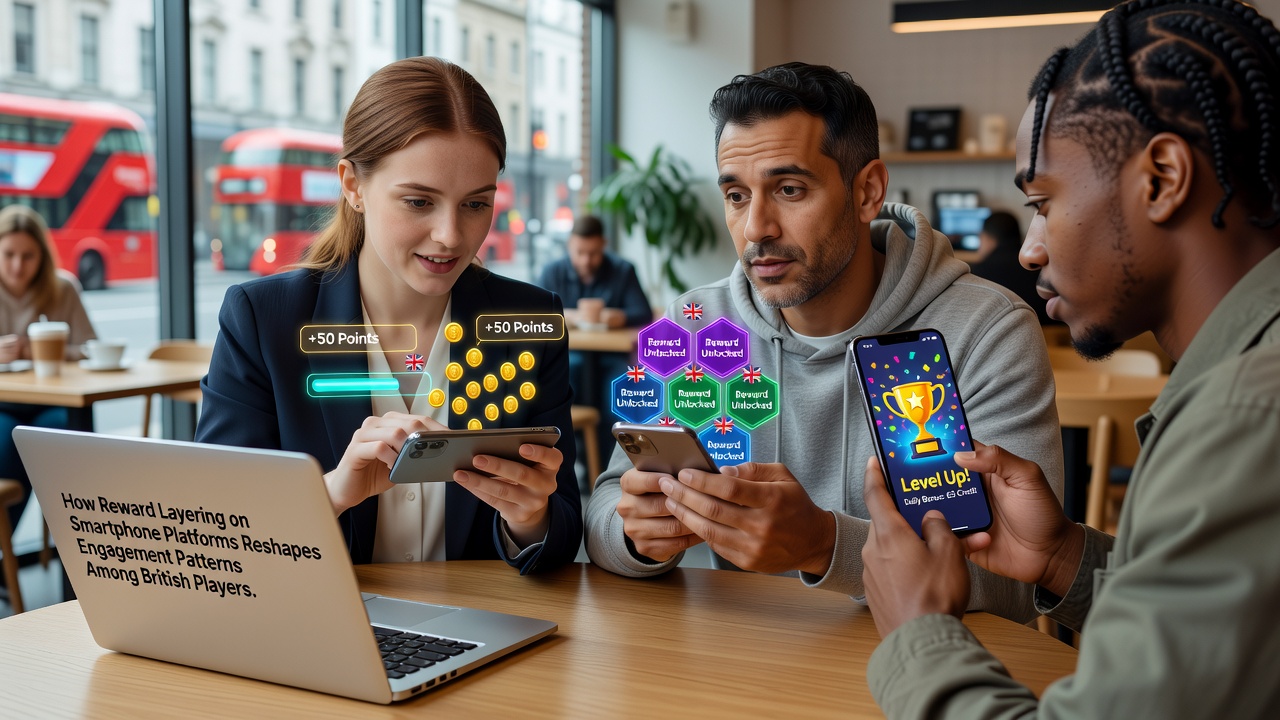
Reward layering on smartphone platforms involves multiple tiers of incentives stacked together in a single application, and this approach has begun reshaping how British players interact with digital gaming environments over extended periods. Platforms combine welcome offers, loyalty points, daily challenges, and progress bars that unlock additional rewards, which creates continuous loops of activity without requiring separate logins or external promotions. Data from industry tracking services shows average session durations extending by 25 percent in apps that employ at least three simultaneous reward streams compared with simpler single-bonus systems.
Mechanics Behind Layered Mobile Incentives
Smartphone interfaces allow developers to present several reward types simultaneously on one screen, so users see immediate free spins alongside long-term loyalty milestones and time-limited events that refresh every few hours. These elements operate in parallel, which means a player completing a daily task might receive instant credits while also advancing toward a weekly jackpot tier. Observers note that push notifications tied to each layer prompt returns at different intervals, turning what once were sporadic visits into routine check-ins throughout the day.
Technical capabilities of modern devices support real-time updates across all layers without lag, and this seamless delivery keeps the incentive structure visible at every stage of play. Research from academic teams at Canadian universities has examined similar multi-tier systems in other entertainment apps, finding that layered mechanics increase repeat logins by maintaining varied goal distances for users. British platforms have adopted comparable frameworks, adapting them to local regulatory requirements around transparency and spend limits.
Observed Shifts in Session Length and Frequency
Engagement metrics collected across multiple operators indicate that players exposed to layered rewards tend to initiate shorter but more frequent sessions rather than single prolonged visits. One study tracking anonymized usage patterns found that individuals averaged 4.2 app openings per day when three or more reward layers were active, compared with 1.8 openings in single-layer environments. The pattern emerges because each layer offers a distinct trigger point, whether that involves claiming a small daily allocation or progressing toward a larger milestone.
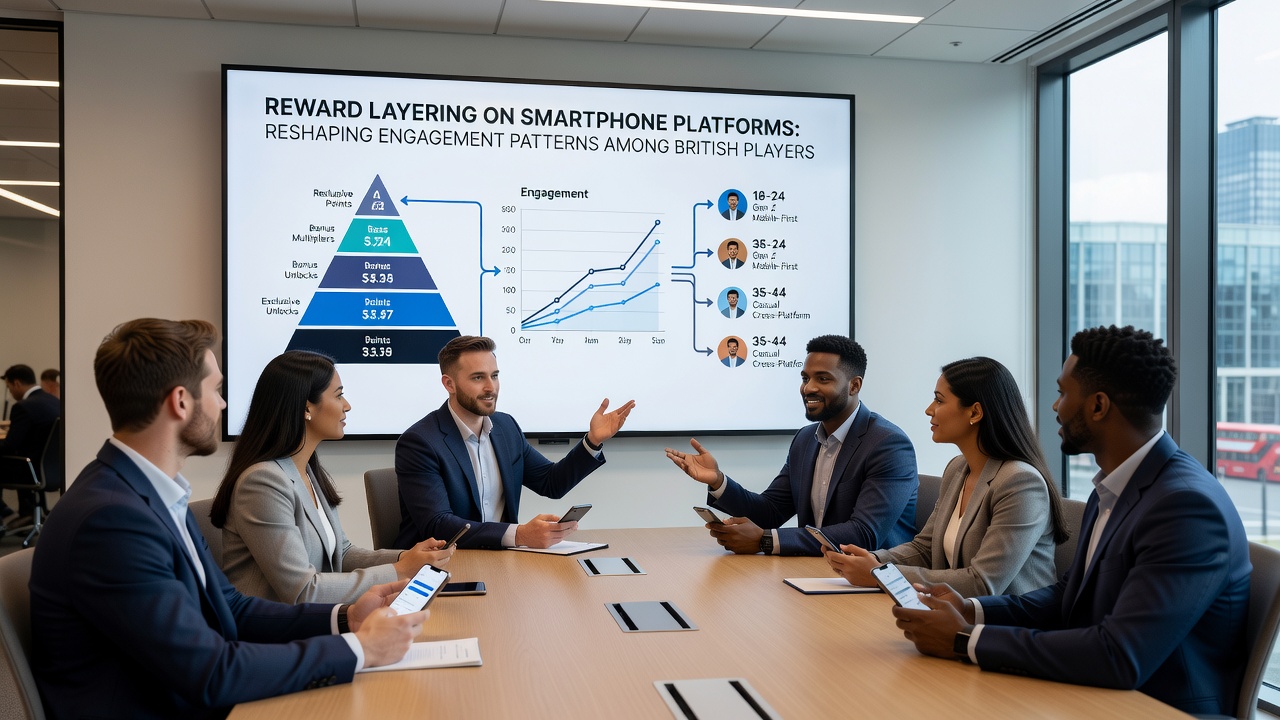
Those who studied mobile adoption trends point out that the portability of smartphones amplifies this effect, since notifications reach users wherever they happen to be and reduce the friction of returning to a desktop site. In July 2026, aggregated figures from European app analytics platforms revealed a 31 percent rise in daily active users for British gaming titles that introduced new layered structures earlier that year. The increase appeared most pronounced among the 25-to-34 age group, where device notifications integrated easily into existing smartphone routines.
Comparative Data from International Markets
Reports compiled by the Australian Interactive Gambling Association highlight parallel developments in markets with established mobile gaming sectors, showing that layered reward models correlate with higher retention rates after the first month of use. British operators have referenced these findings when refining their own implementations, adjusting layer frequency to align with local player preferences. A separate analysis conducted by researchers at an American university gaming lab compared engagement curves across regions and noted that users in markets with mature smartphone reward systems demonstrated steadier activity graphs rather than sharp peaks and drops.
Industry associations in Canada have published summaries indicating that players respond positively to visible progress indicators across multiple layers, which reduces abandonment rates during initial exploration phases. These observations align with patterns recorded in Britain, where operators report fewer account closures within the first 14 days when layering is present. The consistency across jurisdictions suggests the structural design itself influences behavior more than regional factors alone.
Retention and Spending Pattern Adjustments
Layered systems appear to redistribute spending across smaller, more regular transactions instead of concentrated larger deposits. Transaction logs analyzed by independent data firms show an increase in micro-transactions coinciding with the rollout of multi-tier rewards, while overall monthly expenditure per user remains relatively stable. This redistribution occurs because each layer presents low-commitment entry points that accumulate gradually, allowing players to engage without committing to a single large action.
Platform operators have adjusted their internal metrics to account for these changes, tracking not only total playtime but also the distribution of activity across different reward categories. Those metrics reveal that players often cycle through layers in sequence, finishing one task and immediately moving to another visible objective on the same screen. The continuous flow reduces idle time within the app and maintains momentum from one session to the next.
Conclusion
Smartphone reward layering continues to influence engagement patterns by presenting simultaneous incentives that fit within brief mobile interactions, and available data from multiple regions indicates measurable effects on session frequency and retention timelines. British platforms have integrated these mechanics in line with existing frameworks, resulting in observable shifts documented through usage analytics and cross-market comparisons. As device capabilities advance further, the structure of these layered systems will likely continue evolving in response to measured player responses.