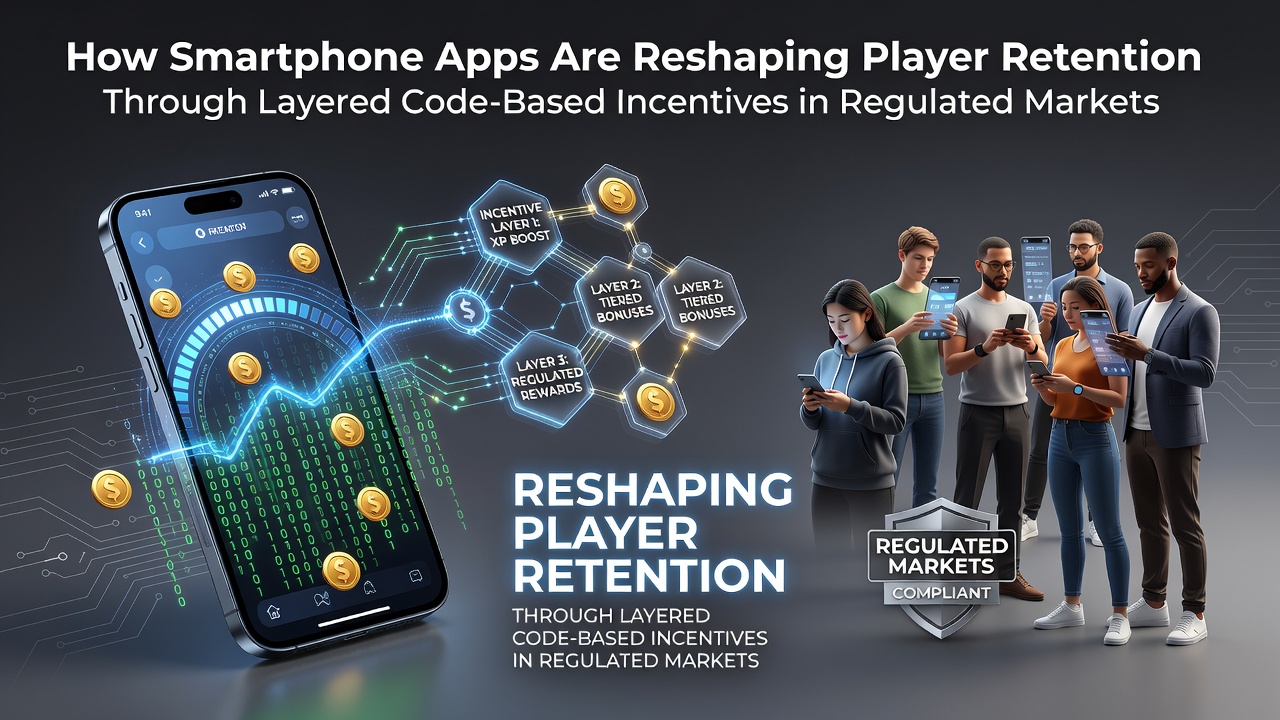
Smartphone Apps and Tiered Code Incentives Reshape Retention Patterns in Regulated Gaming Markets
Smartphone applications now integrate multiple layers of code-based incentives that track player behavior across sessions and deliver targeted rewards through push notifications and in-app prompts. These systems combine welcome codes, daily login sequences, referral multipliers, and personalized streak bonuses that adjust based on activity data collected in real time. Regulated markets in North America, Australia, and parts of Europe have seen operators deploy these mechanisms to maintain engagement while complying with licensing requirements that mandate clear terms and responsible play features.
Operators in jurisdictions such as New Jersey and Ontario began expanding these layered structures during 2025, and by August 2026 several platforms reported measurable increases in session frequency after introducing code tiers that unlock progressively higher rewards. Data compiled by industry analysts shows that users who redeem at least two distinct code types per week demonstrate longer account lifespans compared with those who interact with single-layer offers. The approach relies on unique alphanumeric strings that activate specific account credits or free spins, each governed by separate wagering parameters that reset on different cycles.
Mechanics of Multi-Level Code Systems
Each incentive layer operates independently yet connects through a central player profile that records redemption history and adjusts future offers accordingly. A base code might grant initial deposit matches, while a secondary code activates only after a set number of qualifying bets within a defined window. Tertiary codes often require social actions such as referrals or shared milestones, creating an additional engagement loop that feeds back into the primary retention metrics. These structures allow platforms to segment audiences without violating regulatory caps on bonus values because each code carries its own contribution rate toward playthrough obligations.
Technical implementation involves server-side validation that cross-checks device identifiers, geolocation data, and account age before releasing rewards. Developers integrate these checks directly into the app's backend so that code redemption fails automatically if any parameter falls outside permitted boundaries. This automation reduces manual oversight costs while satisfying audit trails demanded by licensing authorities in multiple regions.
Regional Adoption Patterns
Canadian provinces with iGaming frameworks have documented steady uptake of these layered systems since their legalization expansions. Australian operators, operating under stricter advertising rules, have adapted the model to emphasize time-limited codes that appear only after verified deposits, thereby aligning with local harm-minimization standards. In the United States, state-by-state variations mean that New York and Pennsylvania platforms often synchronize their code releases with sports calendar events, whereas Michigan and West Virginia apps focus more on slot-specific sequences that rotate weekly.

Research conducted by the University of Nevada's gaming studies department indicates that players exposed to at least three concurrent code layers exhibit a 17 percent higher return rate within 30 days compared with control groups receiving flat promotions. Similar patterns appear in reports from the Canadian Gaming Association, which tracked activity across multiple provincial operators during the first half of 2026. These figures reflect aggregated anonymized data rather than individual outcomes, and they underscore how code layering functions as a retention tool rather than a simple acquisition tactic.
Technical and Compliance Considerations
App developers must embed robust encryption for code transmission and maintain separate ledgers for each incentive tier to support regulatory reporting. When a player attempts redemption, the system logs the attempt, outcome, and any associated play activity before updating the account balance. This process occurs within milliseconds, yet it generates the detailed records required during compliance reviews by bodies such as the Alcohol and Gaming Commission of Ontario or the Nevada Gaming Control Board. Operators also schedule code expirations that align with local self-exclusion timelines, preventing offers from reaching accounts that have opted out of marketing.
Integration with third-party analytics suites allows operators to A/B test code combinations while keeping all variables within regulatory limits. One platform in New Jersey, for instance, altered the timing of its tertiary referral codes and observed shifts in weekly active users without altering the core bonus amounts. Such testing occurs continuously, with adjustments rolled out through silent app updates that users receive automatically.
Future Trajectories
Developers continue refining code personalization through machine learning models that predict optimal reward timing for each account segment. These models incorporate variables such as average bet size, preferred game categories, and historical response rates to previous codes. As August 2026 progressed, several operators announced plans to introduce cross-device code syncing so that players moving between phone and tablet maintain uninterrupted access to active incentives. Regulatory frameworks in most jurisdictions already require disclosure of these features in plain language within app settings, ensuring transparency remains a core component of the system.
Conclusion
Layered code incentives embedded in smartphone apps have become a standard mechanism for sustaining player activity across regulated gaming markets. The combination of technical validation, segmented rewards, and compliance logging creates a framework that supports both operator objectives and regulatory expectations. Data from multiple jurisdictions demonstrates consistent patterns in retention metrics when these systems operate within established rules, and ongoing refinements continue to shape how platforms deliver incentives while maintaining oversight standards.